
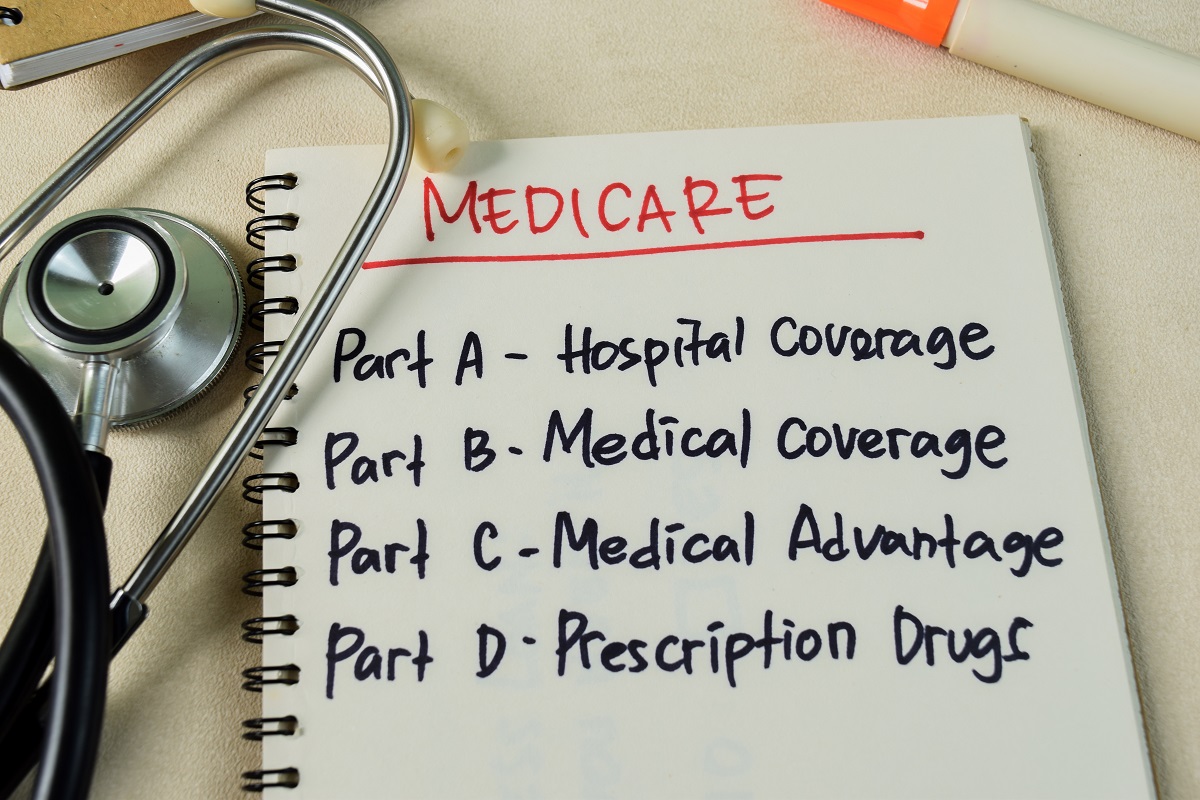
Key Medicare Open Enrollment considerations, including 2027 changes and why it’s important to review your coverage each year.
Blue Trust recently sat down with Medicare expert Melinda Caughill, CSA, to discuss key considerations for Medicare Open Enrollment. In this Q&A, we explore common misconceptions, changes on the horizon for 2027, and what to consider when reviewing your coverage. Whether you are considering a new plan or expecting to keep your current one, her insights offer a helpful starting point for understanding your options and asking the right questions.
Q: My Medicare plan worked well this year. If my health hasn't changed, should I still compare plans?
Melinda: Absolutely. In fact, this is one of the most expensive Medicare mistakes I see people make. Many people enrolled in Medicare assume that if their health and medications haven't changed, their plan doesn't need another look. But Medicare plans are redesigned every year, and significant changes can happen even when the plan keeps the same name.
Q: What kinds of changes can Medicare plans make?
Melinda: Quite a few. Medicare Advantage and Part D prescription drug plans can change their costs and coverage each year—even while keeping the same name. Depending on the type of plan, those changes may include premiums, deductibles, copays, out-of-pocket maximums, covered medications, pharmacy and provider networks, prior authorization requirements, and quality ratings.
For example, a medication your plan covers this year may no longer be covered next year, or its cost may change. Your doctors, hospitals, or pharmacy may also no longer be in the plan’s network. These changes can take effect as early as January 1, so even if your health and medications stay the same, your coverage and expenses may not.
Q: If my plan changes, how would I know?
Melinda: Every fall, your plan sends an Annual Notice of Change that outlines what's changing for the upcoming year. Use this information as a starting point, then check each of your medications by name and confirm that your doctors, hospitals, and pharmacy will be in network for your exact plan in 2027. When reviewing medication coverage, ask what you’ll pay in dollars—not just which tier a drug falls into.
Unfortunately, most people never read it, even though it may contain important information about costs and coverage.
Q: Why is this year's Open Enrollment period especially important?
Melinda: Changes related to the Inflation Reduction Act continue to reshape the prescription drug market. For example, the law introduced valuable consumer protections, including a cap on annual out-of-pocket costs for covered Part D medications, a $35 monthly limit on covered insulin, and free recommended vaccines.
However, limiting what people pay out of pocket does not mean the medications themselves cost less. The law shifted more of those costs to Part D insurers, and many of them are responding with higher premiums and deductibles, changes to covered medication lists, and fewer plan offerings. These changes make this year’s review especially important.
Q: What trends are you seeing for 2027 drug plans?
Melinda: Our analysis of government plan data reveals some significant trends. Stand-alone prescription drug plans have declined from 804 nationwide in 2023 to just 316 in 2027. No stand-alone drug plan offers a $0 premium in 2027, compared with 68 plans that did in 2026. We're also seeing higher deductibles, increased out-of-pocket exposure in many plans, and more plans that charge a percentage of a drug's cost rather than a flat copay. About 2.6 million people could see premium increases of $50 a month or more if they remain in the same plan.
Q: Can failing to compare plans make that much of a difference?
Melinda: It definitely can. Last fall, I worked with a woman whose drug plan was dropping two of her brand-name medications for the coming year. Her prescriptions hadn’t changed, and the plan still had the same name. Had she stayed, the retail cost of those two medications alone would have been approximately $260,000 for the year. The out-of-pocket cap would not have helped because it applies only to drugs the plan covers. By switching to a different drug plan, she saved approximately $292,000. Most savings are far smaller, but you can’t know what staying with your current plan could cost until you compare your options.
Q: What are some common Medicare myths you frequently encounter?
Melinda: I see three misconceptions repeatedly.
Myth 1: “All Medicare plans have to cover every medication.”
That’s not true. Medicare plans must meet certain coverage requirements, but they are not required to cover every specific drug. A medication covered by one plan may not be covered by another.
Myth 2: “All plans cover medications the same way.”
Also false. The same medication may be placed in different tiers depending on the plan, leading to dramatically different costs. Even insulin coverage can vary considerably from one plan to another.
Myth 3: “I can freely change Medigap policies during Open Enrollment.”
Not necessarily. The Medicare Open Enrollment period is designed for Medicare Advantage and Part D drug plans. While you can generally apply for a Medigap policy at any time, insurers in many states may review your health history and could decline coverage or charge higher premiums.
Q: What should Medicare recipients do before Open Enrollment ends on December 7?
Melinda: I recommend four simple steps:
- Read your Annual Notice of Change.
- Review every medication individually and ask about your actual dollar costs.
- Confirm that your doctors, hospitals, and pharmacy remain in network.
- Compare your total potential costs, including premiums, deductibles, prescription expenses, and maximum out-of-pocket exposure.
Q: What's your biggest piece of Medicare advice?
Melinda: Review your coverage each fall, even if you expect to keep your current plan. Your health and prescriptions may be unchanged, but your plan’s costs and coverage can still look different next year. Comparing your options doesn’t mean you have to switch plans. You may find that your current plan still fits your needs—the value of reviewing is knowing what to expect rather than assuming everything will stay the same.
Medicare decisions don't happen in a vacuum. If you'd like help understanding how healthcare expenses fit into your broader retirement and financial plan, connect with your Blue Trust advisor.
About Melinda Caughill
Melinda Caughill is co-founder of 65 Incorporated, a fee-for-service Medicare consulting firm, and HeyMOE, a Medicare Part D plan comparison service. Neither company sells insurance or earns commissions, allowing clients to receive objective Medicare guidance.
Sources
- Medicare.gov, Joining a plan
- Centers for Medicare & Medicaid Services, Medicare Advantage and Medicare Prescription Drug Programs Expected to Remain Stable in 2027, September 28, 2026
- 42 CFR 423.120(b)(2)
- Medicare.gov, Can I change my Medigap policy?
- 65 Incorporated analysis of CMS Landscape, enrollment, and formulary files, 2023 through 2027
Looking for personalized guidance?
Our advisors bring financial expertise and biblical wisdom together to guide the decisions shaping your future.